
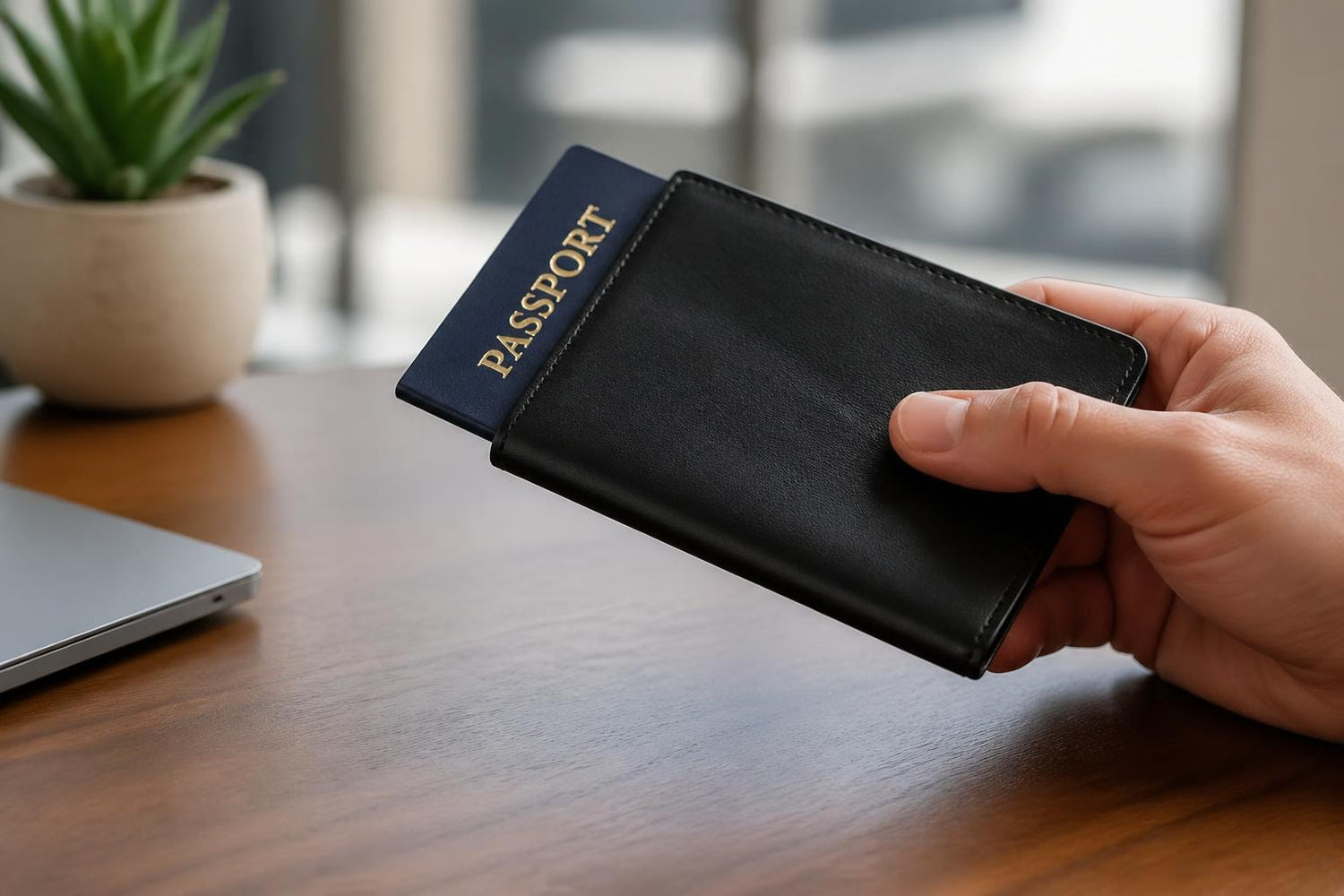
So many Australians carry contactless credit cards, tap-and-go debit cards, and electronic passports without giving security a second thought. Yet these convenient items contain Radio Frequency Identification (RFID) chips that can potentially be read by anyone with the right equipment. Understanding what is RFID protection has become essential for travellers who want to safeguard their personal information whilst exploring the world. This technology creates an electromagnetic shield around your cards and documents, preventing unauthorised wireless scanning that could compromise your data.
Understanding RFID Technology and How It Works
RFID technology uses electromagnetic fields to automatically identify and track tags attached to objects. These tiny chips store information and transmit data wirelessly when activated by a reader.
Most modern payment cards operate at 13.56 MHz frequency, allowing them to communicate with payment terminals from a few centimetres away. When you tap your card at a checkout, the RFID chip powers up through electromagnetic induction and sends encrypted transaction data to the reader.
Common Items Containing RFID Chips
The technology appears in more everyday items than most people realise:
Contactless credit and debit cards
Electronic passports (e-passports) issued since 2005
Building access cards and hotel room keys
Public transport cards like Opal and Myki
Some driver's licences and identification cards
Loyalty cards and membership passes
Australian ePassports contain a chip that securely stores your photo and personal data, helping border systems verify your identity. These chips enhance border security but also raise privacy considerations for international travellers.
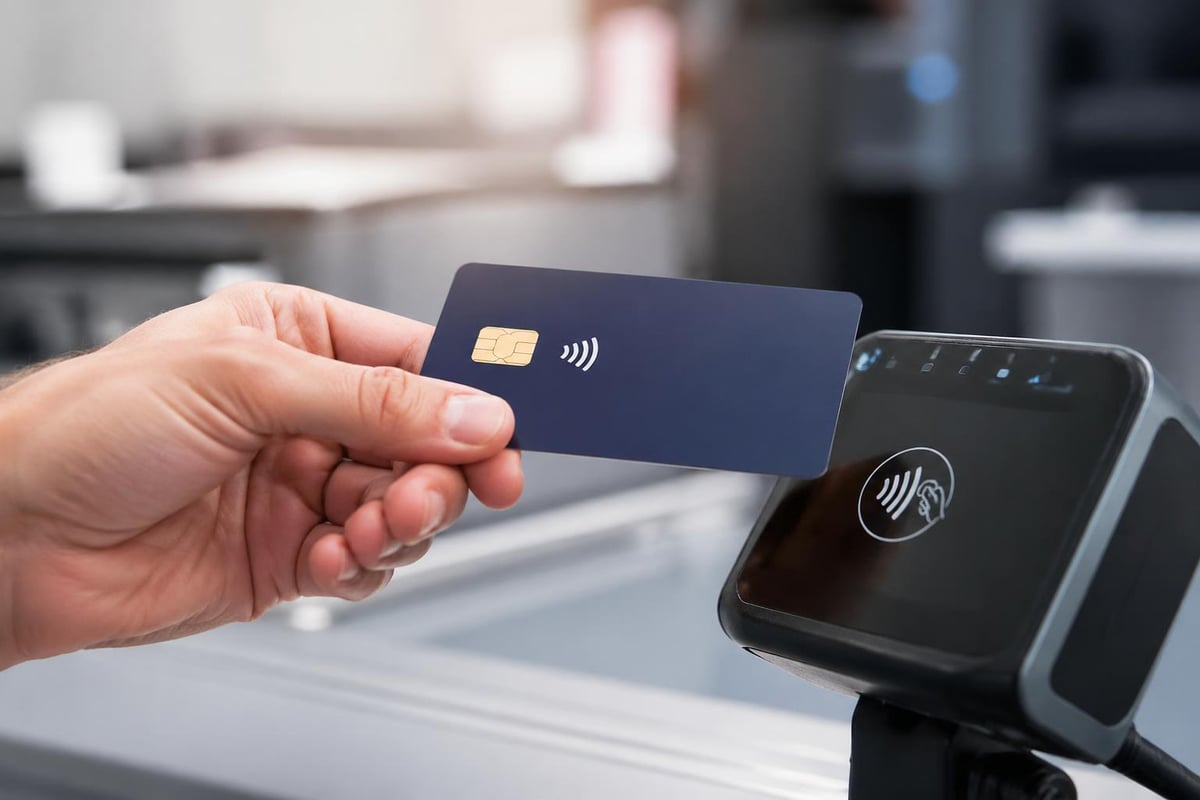
What Is RFID Protection and Detection
So what is RFID protection exactly? It refers to materials and products designed to block or shield electromagnetic signals that could access RFID chips without authorisation. RFID blocking technology typically uses conductive materials like metal mesh or carbon fibre woven into fabric or built into card sleeves.
RFID detection, scanning, and blocking serve different purposes and shouldn't be confused:
Technology |
Purpose |
Used By |
|---|---|---|
RFID Detection |
Identifies presence of RFID chips |
Security personnel, quality control |
RFID Scanning |
Reads data from RFID chips |
Payment terminals, border control |
RFID Blocking |
Prevents unauthorised scanning |
Consumers, privacy-conscious travellers |
Detection simply identifies whether an RFID chip exists in an item. Scanning actively reads the information stored on that chip. Protection and blocking prevent unauthorised scanning by creating a Faraday cage effect around your cards and documents.
How RFID Blocking Materials Function
RFID protection works by attenuating electromagnetic fields at specific frequencies. When conductive materials surround an RFID chip, they absorb and reflect radio waves, preventing them from reaching the chip or transmitting back to a reader.
Quality RFID-blocking products use layers of aluminium, copper, or specialised alloys. These materials don't require batteries or power sources, they simply create a physical barrier against electromagnetic radiation.
The Reality of RFID Theft Risks
The question of whether RFID theft represents a genuine threat generates considerable debate among security experts. Theoretically, criminals could use portable RFID readers to scan cards through bags, wallets, or pockets in crowded areas.
However, several factors limit this risk significantly:
Encryption: Modern payment cards use tokenisation and encryption. Even if someone captures data, it's typically useless without additional authentication factors.
Range limitations: Most RFID payment systems only work within 4-10 centimetres, making covert scanning difficult in real-world conditions.
Transaction requirements: Contactless payments need additional verification for amounts over certain limits, and banks monitor for suspicious patterns.
Low reported incidents: Australian authorities report minimal verified cases of RFID skimming compared to other fraud methods like phishing or card number theft.
Norton's analysis suggests that whilst the threat exists theoretically, traditional fraud methods remain far more prevalent. Card skimming at compromised ATMs, online data breaches, and physical card theft pose considerably greater risks to travellers.

Travel Products with RFID Protection Features
For travellers who prefer peace of mind, numerous products incorporate RFID-blocking technology. Understanding what is RFID protection in different product categories helps make informed purchasing decisions.
RFID-Blocking Wallets and Cardholders
These everyday items feature metallic mesh or special fabrics that shield multiple cards simultaneously. Quality wallets maintain slim profiles whilst offering comprehensive protection.
When selecting RFID wallets, check for:
Certification testing at 13.56 MHz frequency
Adequate card capacity without excessive bulk
Durability of blocking materials over time
Design that suits your daily carrying preferences
Travel-Specific RFID Protection
Travel accessories particularly benefit from RFID technology due to increased exposure in airports, public transport, and tourist areas. Anti-theft crossbody bags often incorporate RFID-blocking pockets alongside other security features like slash-resistant materials and locking zippers.
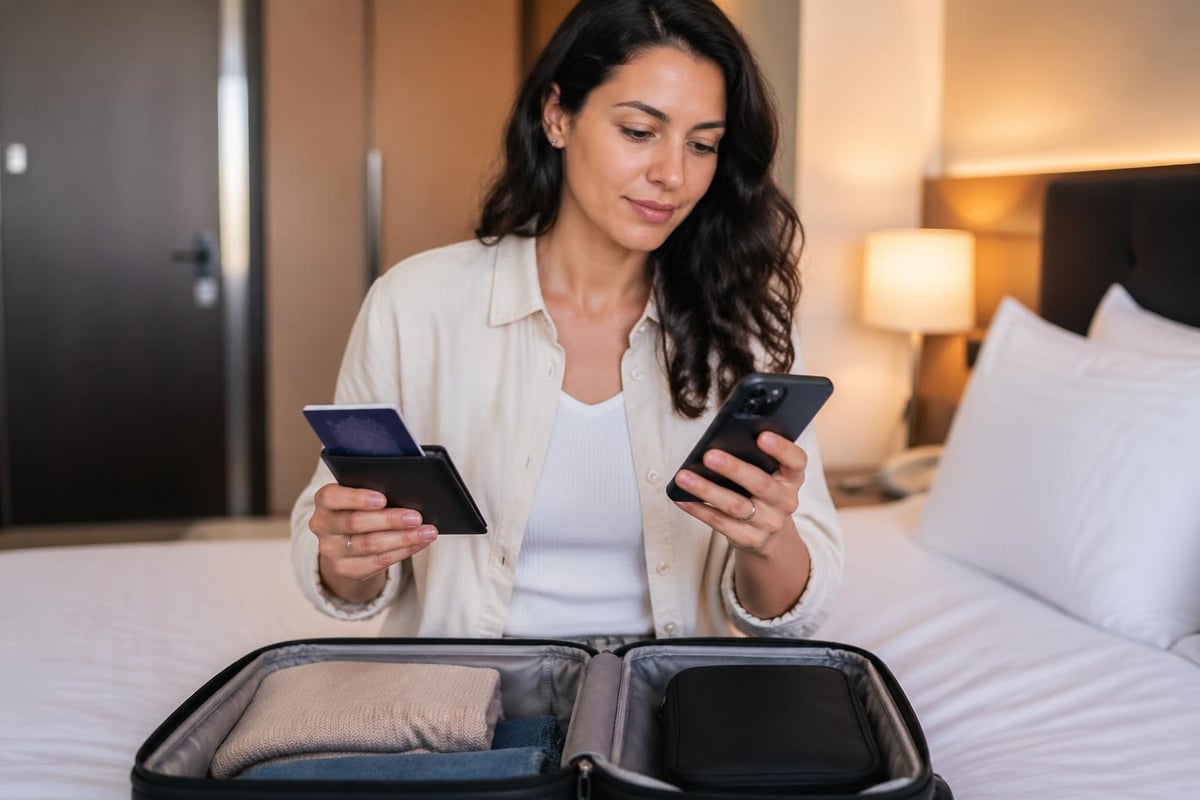
Passport holders with RFID protection safeguard e-passport data during international travel. These compact accessories slip easily into carry-on luggage whilst providing electromagnetic shielding.
Travel organisers and document pouches combine RFID protection with practical storage solutions. They keep boarding passes, cards, and passports together whilst blocking potential scanning attempts.
Evaluating Whether RFID Protection Is Worth It
The value of RFID protection depends on individual circumstances, travel patterns, and personal comfort with potential risks. Research examining RFID-blocking effectiveness confirms these products do block electromagnetic signals as advertised.
Consider RFID protection if you:
Travel internationally frequently, especially to unfamiliar destinations
Carry multiple contactless cards and an e-passport
Visit crowded tourist attractions or public transport regularly
Value privacy and prefer proactive security measures
Already need new travel accessories or wallets
RFID protection may be less critical if you:
Primarily use chip-and-PIN or magnetic stripe cards
Travel domestically within Australia mostly
Monitor bank statements closely and have fraud alerts enabled
Rely on mobile payment methods rather than physical cards
Making Practical Security Choices
Rather than viewing RFID protection as essential or unnecessary, consider it one layer in comprehensive travel security. Combining quality travel accessories with smart habits creates robust protection.
Effective travel security includes:
Using RFID-blocking products for peace of mind
Monitoring accounts regularly through banking apps
Enabling transaction notifications and spending alerts
Keeping cards and documents in secure, concealed pockets
Remaining aware of surroundings in crowded areas
Using official ATMs in well-lit, monitored locations
The Australian Government's Smart Traveller's safety advice generally supports a layered approach: protect your valuables, monitor your accounts, and stay alert in crowded areas.
Choosing Quality RFID Protection Products
Not all RFID-blocking products offer equal effectiveness. Look for quality materials, testing results, and a practical design.
Testing and Certification Standards
Reputable manufacturers test their products against established RFID frequencies. Look for specific mention of 13.56 MHz blocking, which covers most payment cards and e-passports.
Some products display test results or certifications, though standardised RFID-blocking certifications remain limited. Customer reviews and independent testing provide valuable verification.
Feature |
Why It Matters |
What to Look For |
|---|---|---|
Material Quality |
Determines blocking effectiveness |
Metal mesh, carbon fibre, or specialised alloys |
Coverage Area |
Ensures all cards protected |
Full-pocket lining, not just panels |
Durability |
Maintains protection over time |
Reinforced stitching, quality construction |
Design |
Impacts daily usability |
Slim profile, easy card access |
Balancing Protection with Practicality
The most effective RFID protection serves little purpose if it's inconvenient to use daily. Choose products that integrate seamlessly into your travel routine.
Consider how often you'll access cards throughout the day. RFID sleeves protect individual cards but require removal for each use. Wallets with RFID pockets allow quick access whilst keeping backup cards protected.
For travellers exploring multiple destinations, comprehensive anti-theft bags combine RFID protection with other security features. These versatile accessories suit both daily sightseeing and longer journeys.
Maintaining RFID Protection Over Time
RFID-blocking materials generally require minimal maintenance, but understanding their longevity helps maximise investment value. Metal mesh and carbon fibre maintain effectiveness indefinitely unless physically damaged.
Check products periodically for:
Tears or holes in blocking material
Separated seams exposing RFID pockets
Compression or deformation affecting coverage
Worn fabric that might compromise shielding
Replace RFID products when structural integrity becomes compromised. A damaged wallet or passport holder may provide incomplete protection, creating false security confidence.
Quality products from established brands typically last several years with normal use. Simplify Living's commitment to durable travel accessories ensures RFID protection remains effective throughout countless journeys.
Understanding what is RFID protection empowers travellers to make informed security decisions based on individual needs rather than fear-based marketing. Whilst RFID skimming represents a theoretical risk, combining quality protective products with smart travel habits creates comprehensive security for your adventures. Whether you're exploring Australia or travelling internationally, Simplify Living offers RFID-protected travel accessories designed to enhance your journey with confidence, backed by fast shipping and genuine customer support that puts your peace of mind first.

Leave a comment
This site is protected by hCaptcha and the hCaptcha Privacy Policy and Terms of Service apply.